


Climate literacy for all
Description Climate change is approaching the point of no return and is thus the greatest challenge currently facing humanity. This is the message sent by institutions such as the UN and the World Meteorological Organisation (WMO), scientists in petitions and children in the streets. Let us, therefore, ask ourselves what we actually know about climate […]
Systemic science-based citizens informing on the causes and consequences of climate change

Description Since climate change is an exceptionally wide subject and uncertainty is one of its basic characteristics, literacy of the population is not a one-off action. It includes following the latest knowledge on the climate change, its causes and consequences. The Intergovernmental Panel on Climate Change (IPCC) is the leading international organisation dealing with climate […]
Climate smart pest management
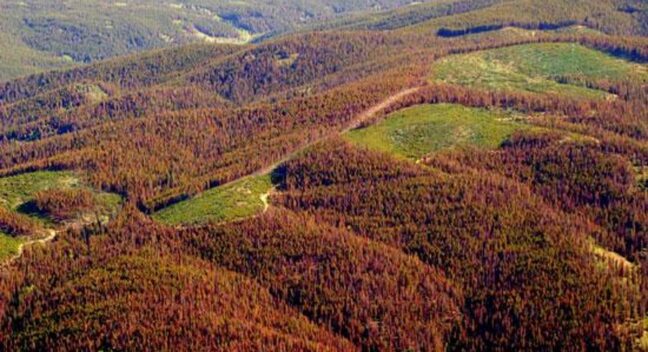
Prepared by: dr.sc. Milan Pernek, Head of the Division for Forest protection and Game Management, Croatian Forest Research Institute Description Mass tree mortality caused by a sudden increase in pest population can have extremely detrimental effects on forest ecosystems, which is reflected in biodiversity loss, lost carbon sinks and severe disturbances in ecosystem functioning. Climate and environmental […]
Adaptation of transport infrastructure and services
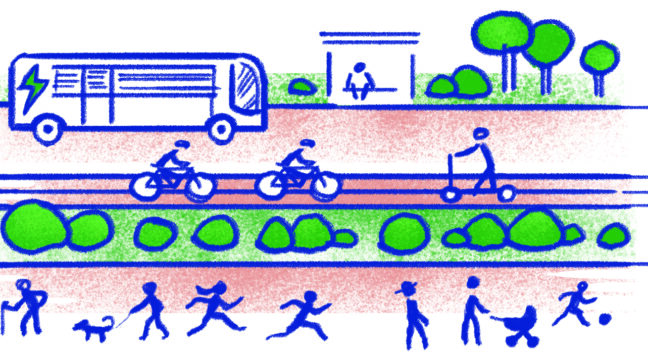
Description The transport sector is challenged by a number of climate change impacts, including temperature change, increasing extreme weather events and sea-level rise. Rising temperatures and extended heat-wave periods can increase rail buckling, pavement deterioration and thermal discomfort for passengers in vehicles. Weather extremes generating floods or landslides can lead to both short-term and long-term […]
Early warning systems

DESCRIPTION Early warning systems (EWS) are usually key elements of climate change adaptation and disaster risk reduction, and aim to avoid or reduce the damages caused by hazards. To be effective, EWS need to actively involve the people and communities at risk from a range of hazards, facilitate public education and awareness of risks, disseminate […]
Modelling, monitoring and forecasting systems

DESCRIPTION Coping with climate variability and change requires availability of timely and reliable climate information, as well as up-to-date information on the occurrence and severity of extreme events, possible impacts and their duration. Systematic monitoring, remote sensing, modelling and their integration with GIS systems are considered as options to strengthen adaptation planning and implementation. In […]
Community-based management and Adaptive co-management as approach for adaptation
DESCRIPTION Community-based adaptation (CBA) refers to the generation and implementation of locally driven adaptation strategies, according to learning-by-doing and bottom-up approaches (IPPC, Fifth Assessment Report). It is characterised by intensive involvement of stakeholders and vulnerable groups in decision making, design and implementation of adaptation measures. Using a CBA approach implies that adaptation strategies are generated […]