


Coastal wetlands management of Maristanis, Sardinia, Italy
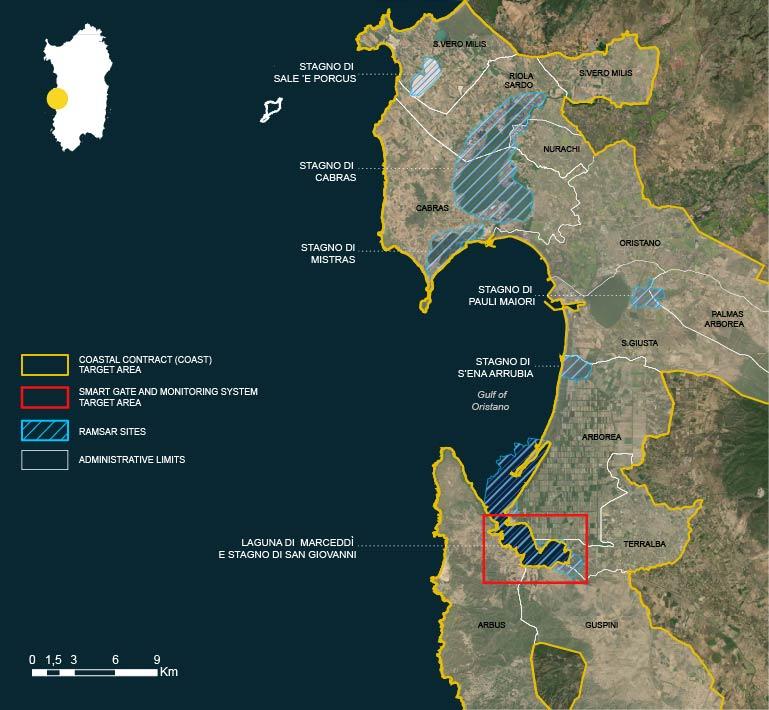
Geographic context and climate challenges The Maristanis project was born with the aim of restoring, protecting and connecting the wetlands of the Oristano Gulf in an integrated system of governance and sustainable development. With their 7,700 hectares, the wetlands stretching from Capu Mannu to the Marceddì lagoon constitute an ecosystem of priceless value recognized by […]
Coastal Management Plan for Boka-Kotorska Bay, Montenegro
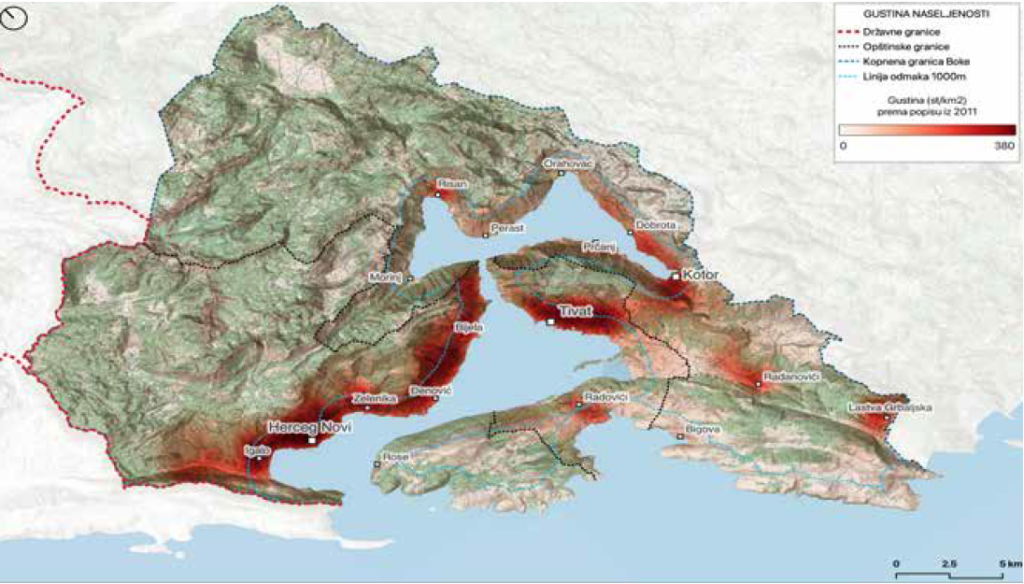
Geographic context and climate challenges The Boka-Kotorska Bay is a unique part of the Adriatic Sea with its specific geomorphological, climatological, hydrological and biotic characteristics. The bay is extremely closed, surrounded by mountains Orjen and Lovćen that « fall » into the sea. In the area of Boka, there are numerous underwater sources such as Škurda, Široka […]
Kune-Vain Lagoon, Albania
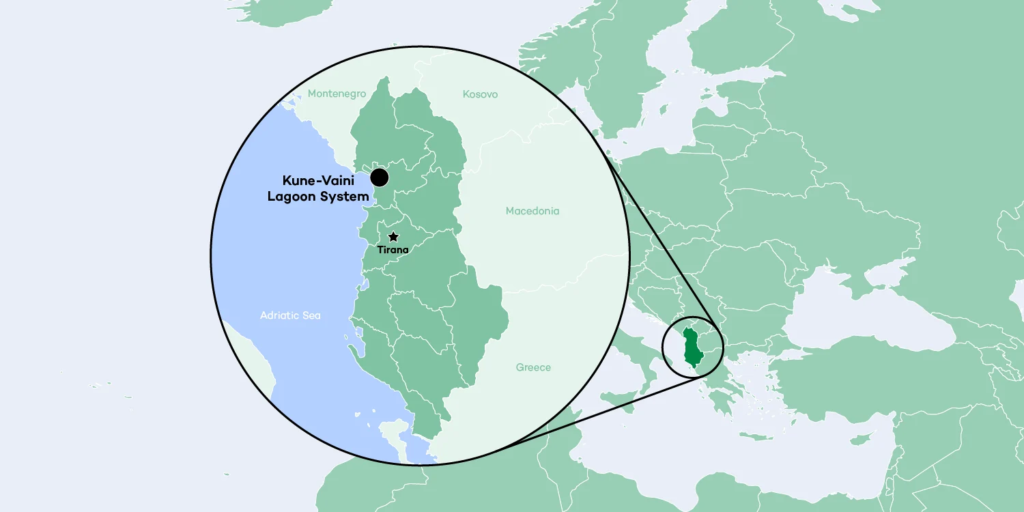
Geographic context and climate challenges Albania is situated in southeastern Europe with a population of 2.85 million. The country has one of the largest and richest wetland systems – mainly in the form of coastal lagoons – in the Mediterranean region. Albania as a nation is suffering from the effects of extreme weather events such […]
Renewable desalination for sustainable agriculture in Gabès, Tunisia
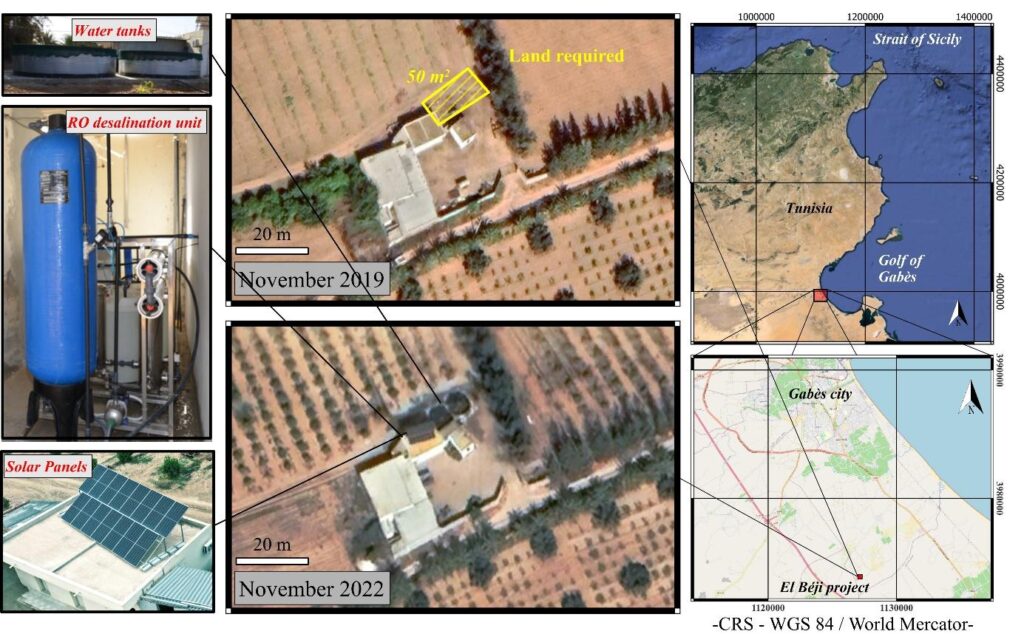
Geographic context and climate challenges Tunisia is a South Mediterranean country with a population of approximately 11 million (RGPH 2014). Despite its mediterranean status, the climate of Tunisia is significantly drier than that of its Northern counterparts, with its southern regions receiving 156 mm/yr of rain on average (SSET 1998). At the national level, these […]
Dune belt rehabilitation, Béni-Belaid Nature Reserve (Jijel, Algeria)
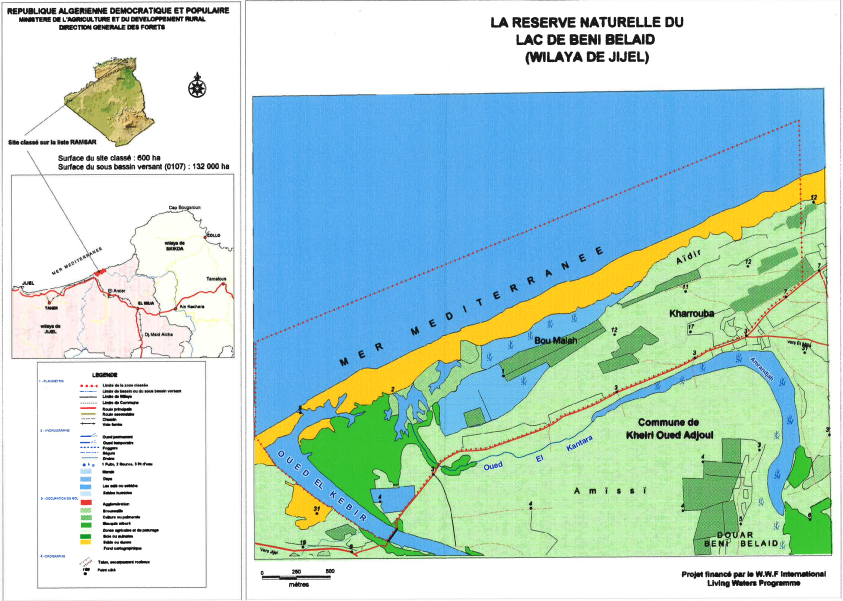
Geographic context and climate challenges In Algeria, wetlands are primarily located in the northeastern part of the country, near the Mediterranean coast (Bouldjedri et al., 2011). The geographical position of northern Algeria, at the interface of European, Atlantic, Mediterranean, and tropical regions, grants it the status of a migratory crossroads for a diversity of fauna […]
Coastal Plan Tangier-Tetouan-Al Hoceima (TTA) region, Morocco
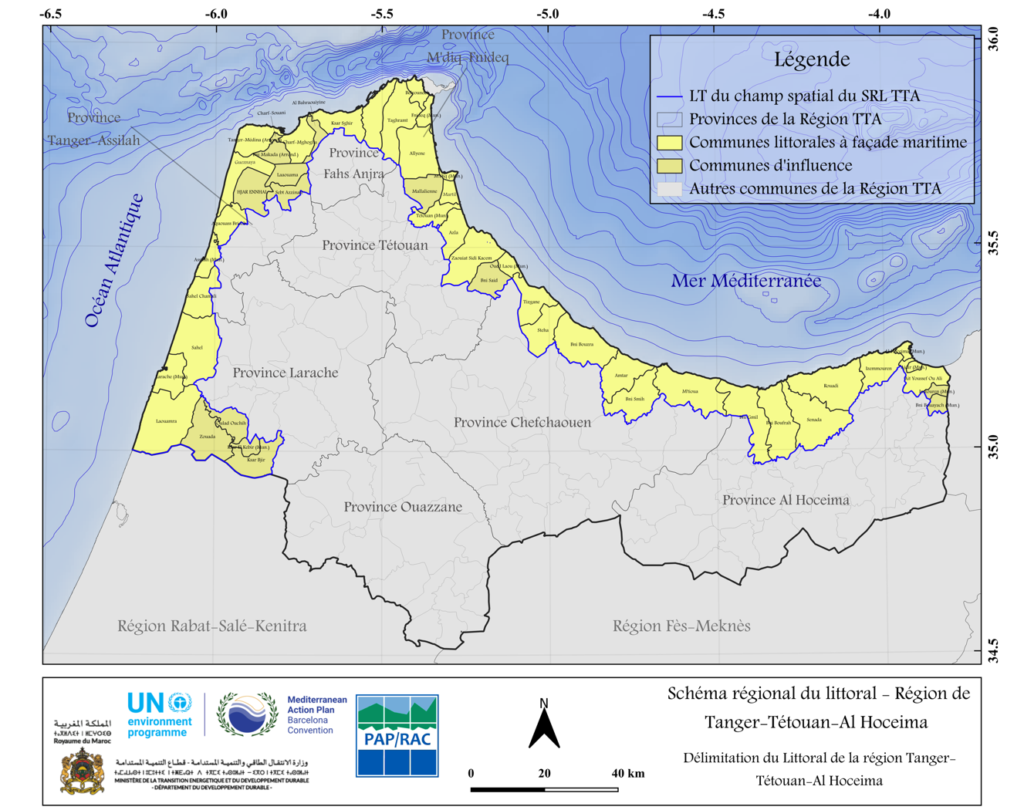
Geographic context and climate challenges With some 447 km of coastline stretching along the Atlantic, the Strait of Gibraltar and the Mediterranean coast, the coastline of the Tangier-Tetouan-Al Hoceima (TTA) region boasts a unique geographical position, geomorphological structure and biological diversity (Agharroud et al., 2023). Overall, the TTA region benefits from a Mediterranean-type climate with […]
Coastal Plan for the Šibenik-Knin County, Croatia
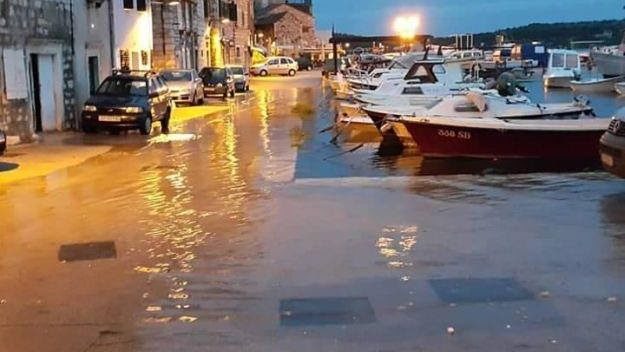
Geographic context and climate challenges The Šibenik-Knin County of Croatia has an exceptionally indented coast, 960 km long, with 285 islands, islets and rocks. The County is rich in natural resources and biodiversity, with two national parks, Krka estuary and Kornati archipelago. Its coastal zone consists of seven municipalities and three cities including Šibenik, […]
Coastal Zone Management Plan for the Kaštela City, Croatia
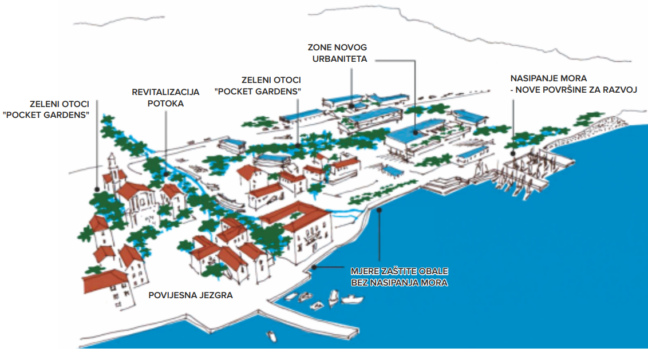
Geographical context and climate challenges The coastal plan covers the administrative area of the Town of Kaštela. The mainland makes up 58 km2, and the coastal part is sheltered by the Kaštela Bay. The length of the coastline is 23 km and almost all of the coast has become increasingly urban. The historical development of […]
Restoring coastal wetlands in Škocjanski zatok, Slovenia
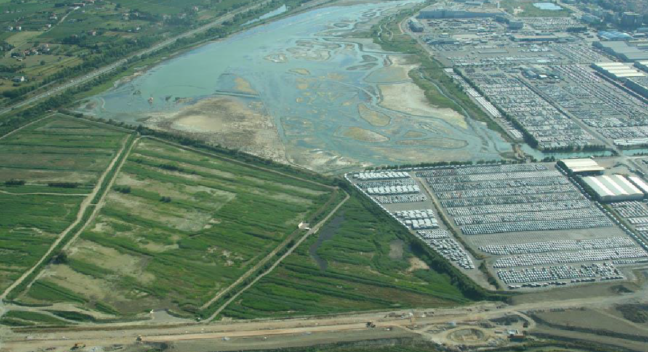
Geographic context and climate challenges Škocjanski zatok is a remnant of a brackish wetland which once surrounded the city-island of Koper. Today, this Nature Reserve is an urban wetland representing a good example of the coexistence of the natural environment and urbanisation, which is making a city safe, resilient, and sustainable. The water sources of […]
Agricultural water optimisation in the Reno river basin, Italy
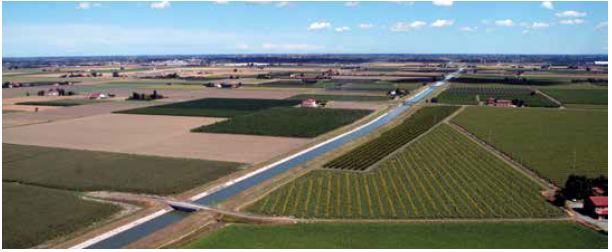
Geographic context and climate challenges The Reno river basin is mainly located in the Italian region of Emilia Romagna and is part of the hydrographic Po river basin district , managed by the Po River Basin Management Authority, according to the implementation of the Water Framework Directive (2000/60/CE). It has a total surface of about 5,000 […]